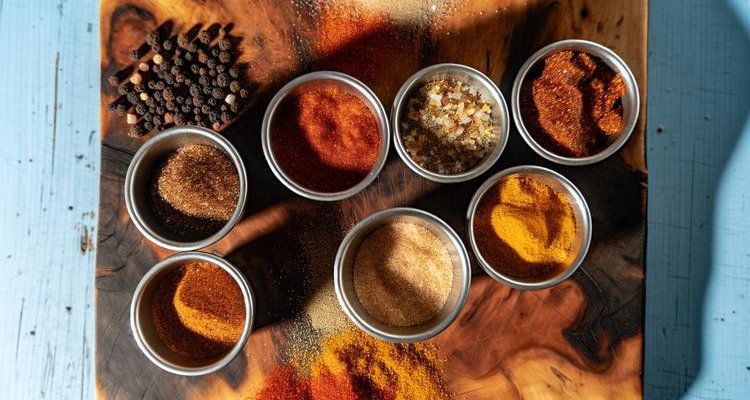
The quest for the perfect brisket often feels like a journey shrouded in mystery, filled with arcane pitmaster secrets and complex, exotic spice blends. For years, many aspiring BBQ enthusiasts, myself included, filled their pantries with an international array of spices, convinced that complexity equaled culinary mastery. The result? Overwhelmed, muddied flavors that left both the chef and the guests wanting. It was a frustrating, expensive, and ultimately, a flavorless dead end.
The true revelation, often discovered after countless trials and humbling trips through the heart of Texas BBQ country, is disarmingly simple: less is often more. The magic of an authentic, mouth-watering brisket doesn't lie in a dozen obscure spices, but in a meticulously balanced symphony of a few, high-quality ingredients, applied with purpose. And at the very heart of this revelation are two often-overlooked secrets: the critical importance of grind size, especially for pepper, and the surprising impact of your chosen salt type. These factors are paramount when crafting any truly great brisket rub recipe.
Forget the intimidating complexity. This isn't just another set of tips; it's a dive into the science and tradition that consistently transforms briskets into smoky, tender masterpieces with that coveted deep mahogany bark and a flavor profile that sings of genuine BBQ heritage.
The Unsung Heroes: Why Grind Matters in Your Brisket Rub Recipe
One of the biggest early mistakes many make is reaching for pre-ground, fine black pepper. While convenient, it’s a cardinal sin in the world of brisket rubs. The grind of your spices, particularly black pepper, directly impacts the formation of that beautiful, crunchy "bark" and the overall flavor development during the long smoking process.
- Black Pepper: The Bark Builder: Fine, powdery black pepper simply won't cut it. It tends to dissipate quickly, clump, and fails to contribute to the structural integrity of the bark. Instead, invest in whole black peppercorns and a quality burr grinder (or a sturdy spice grinder) set to a coarse setting. The jagged, inconsistent edges of freshly cracked pepper are a game-changer. These larger particles cling better to the moist surface of the meat, creating more surface area for smoke to adhere to. As the brisket smokes, these coarse fragments toast, release their potent, fresh flavor gradually, and become integral components of that crusty, flavorful bark. Without them, your bark will be thin, less flavorful, and lack that satisfying textural contrast.
- Garlic and Onion: Granulated vs. Powdered: Similar to pepper, the form of your garlic and onion matters. While powders are convenient, they are far more prone to clumping due to moisture and can become pasty during a long cook. Granulated garlic and onion, with their slightly larger particles, are superior for a brisket rub recipe. They resist clumping, distribute more evenly, and contribute to the texture and color of the bark without creating a muddy layer. They also tend to release their aromatic compounds more slowly and consistently throughout the cooking process.
- Other Spices: While not as critical as pepper, considering the grind of other spices like cumin or coriander can also enhance your rub. A slightly coarser grind will add texture and a more nuanced flavor release compared to finely powdered versions, which can sometimes burn or become bitter if overcooked.
Practical Tip: The Burr Grinder Advantage
A burr grinder provides a consistent, coarse grind for your peppercorns, which is ideal. If you don't have one, a basic blade coffee grinder can work in a pinch, but be careful not to over-process and turn your peppercorns into a fine powder. Pulse it gently until you achieve the desired coarse consistency.
Salt's Secret: Not All Grains Are Equal in a Brisket Rub Recipe
Just like with pepper, assuming all salt is interchangeable is a common pitfall. The type of salt you use fundamentally impacts seasoning consistency, flavor penetration, and even the final texture of your brisket.
- Diamond Crystal Kosher Salt: The Pitmaster's Choice: Many legendary pitmasters swear by Diamond Crystal Kosher Salt, and for good reason. Its unique flake-like structure means that, by volume, it's less dense than other salts. This translates to a more forgiving and consistent salting experience. Its larger, irregular flakes adhere well to the meat, dissolve gradually, and provide a more even distribution without the risk of over-salting, which is a common problem with finer salts. It enhances the beef's natural flavor without overpowering it.
- Other Salts and Their Considerations:
- Table Salt (Iodized Salt): Generally too fine for a brisket rub. Its small, dense crystals mean you can easily over-salt, leading to an unpleasantly sharp, metallic taste. It also dissolves too quickly, pulling moisture out rapidly.
- Sea Salt: While many sea salts are high-quality, their crystal structure can vary greatly. Some fine sea salts can behave like table salt, while coarser varieties might be too large and irregular for consistent coverage. If using sea salt, ensure it's a medium-coarse grind for better control.
- Curing Salts (e.g., Pink Curing Salt): It's crucial to distinguish these. Curing salts contain nitrates/nitrites and are used for specific curing processes (like pastrami or corned beef), not as a primary rub for smoked brisket. They are not interchangeable with kosher or sea salt for standard BBQ.
The Right Ratio: Salt, Pepper, and Balance
A classic Texas-style brisket rub recipe often starts with a 1:1 ratio of coarse black pepper to coarse salt, sometimes leaning slightly heavier on the pepper. This balance allows the savory depth of the salt to complement the bold, pungent spice of the pepper, forming the bedrock upon which other flavors are built.
Building Your Ultimate Brisket Rub Recipe: Beyond the Basics
With the foundations of grind and salt established, you can now construct a truly remarkable brisket rub recipe. The goal is to enhance, not overwhelm, the rich, beefy flavor of the brisket, creating that iconic bark and deep, smoky profile we all crave.
The Classic Texas Blend: Simplicity Reigns
For an authentic Texas-style experience, you really don't need much more than:
- Coarse Black Pepper (freshly ground is non-negotiable)
- Coarse Kosher Salt (Diamond Crystal is highly recommended)
- Granulated Garlic (not powder, for better bark and less clumping)
- Granulated Onion (again, granulated for consistency)
A touch of high-quality sweet paprika can be added for color and a subtle earthy sweetness without overpowering the core flavors. This minimalist approach allows the beef and smoke to truly shine. For a deeper dive into this classic, explore our article: Authentic Texas Brisket Rub: Simplicity for Epic Bark.
Venturing Beyond: The Power of Coffee and More
While simplicity is king, there's always room for tasteful innovation. One popular and highly effective addition to a brisket rub recipe is coffee.
- Coffee Rubs: Finely ground coffee (dark roast works wonderfully) adds a profound smoky, earthy, and slightly bitter note that beautifully complements the richness of beef. It creates a dark, flavorful bark and adds an extra layer of complexity without being overwhelming. The acidity in coffee can also act as a tenderizer, subtly breaking down tough muscle fibers. If you're looking for an easy, flavor-packed option, especially for a "set-and-forget" meal, consider a coffee rub. Learn more about this fantastic variation with our Slow Cooker Coffee Rub Brisket: Smoky, Spicy & Easy Recipe.
- Sweetness: A small amount of brown sugar or turbinado sugar can promote a darker, crispier bark through caramelization. Be cautious not to add too much, as sugar can burn at high temperatures.
- Heat: A pinch of cayenne pepper introduces a subtle warmth that can awaken the palate without dominating the brisket's inherent flavor.
Mastering the Brisket Rub: Application & Beyond
Crafting the perfect rub is only half the battle; knowing how to apply it and allow it to work its magic is equally crucial.
- Preparation is Key: Before applying your brisket rub recipe, pat the brisket completely dry with paper towels. A dry surface allows the rub to adhere better and promotes better bark formation.
- Apply with Purpose: Don't just sprinkle the rub. Apply it liberally and evenly over all surfaces of the brisket, gently patting it into the meat. Some pitmasters like to use a thin layer of mustard or hot sauce as a binder to help the rub stick, though it's not strictly necessary if the brisket surface is adequately moist.
- The Marination Advantage: Allow the rub to "marinate" on the meat for an extended period – ideally overnight (8-12 hours) in the refrigerator. This gives the salt time to draw out moisture, dissolve, and then reabsorb into the meat, carrying the flavors deeper than just surface application. It's a crucial step for maximum flavor penetration and tenderness.
- Bark Development: As the brisket cooks, especially in a smoker, the coarse grind of pepper, salt, and granulated spices, combined with rendered fat and smoke, will create that desired "bark." Resist the urge to constantly open your smoker or wrap too early, as this impedes bark formation.
The beauty of mastering a brisket rub recipe is not just in following instructions, but in understanding the 'why' behind each ingredient choice and technique. This understanding empowers you to adjust, experiment, and ultimately create a brisket that's uniquely yours, while still honoring the timeless principles of great BBQ.
The journey from a novice with a spice-laden brisket to a pitmaster producing tender, smoky perfection often boils down to embracing simplicity and respecting the fundamental properties of your ingredients. By understanding why grind size matters and how different salts behave, you unlock the true potential of your brisket rub recipe. Focus on quality, balance, and thoughtful application, and you'll consistently achieve that coveted deep mahogany bark, juicy interior, and a flavor profile that will have your guests asking for your "secret." So, ditch the complex concoctions, embrace the power of coarse pepper and flake salt, and get ready to transform your briskets into genuine masterpieces.
